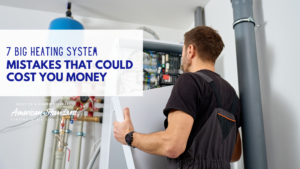
7 Big Heating System Mistakes That Could Cost You Money
When cooler weather arrives in Pensacola, your heating system becomes an important part of keeping your home comfortable. While winters in Northwest Florida may not bring the extreme temperatures experienced farther north, chilly nights can still put your furnace or heat pump to work. Unfortunately, some common homeowner habits can reduce heating efficiency, increase energy costs, and contribute to unexpected HVAC repairs.
The good news is that many heating problems are preventable. Knowing what mistakes to avoid can help you protect your HVAC system, maintain comfortable indoor temperatures, and potentially save money throughout the heating season.
From ignoring strange noises to skipping professional maintenance, these 7 heating system mistakes can affect performance when you need your system most. Here’s what homeowners should know before winter arrives.
Why Proper Heating System Care Matters
Your heating system works hard to maintain a comfortable indoor environment. Every component—from the thermostat and air filter to the blower motor and heat exchanger—has an important job.
When something is neglected, the effects can spread throughout the system. A dirty filter can restrict airflow. Poor airflow can make your HVAC system work harder. Increased strain can contribute to premature wear and higher energy consumption.
Regular heating system care can help you:
- Improve heating efficiency
- Maintain consistent indoor temperatures
- Reduce unnecessary energy use
- Protect important HVAC components
- Identify potential problems earlier
- Improve indoor air quality
- Extend the useful life of your heating equipment
Whether you have a furnace, heat pump, or another type of HVAC system, avoiding common mistakes is an important part of winter home maintenance.
1. Ignoring Your HVAC Air Filter
One of the simplest heating maintenance tasks is also one of the easiest to forget: changing the air filter.
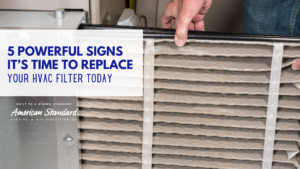
Your HVAC filter captures dust and airborne particles before air circulates through your home. Over time, the filter becomes loaded with debris. A heavily restricted filter can make it harder for your heating system to move air throughout the house.
When airflow is reduced, your system may need to run longer to reach the thermostat setting. This can affect comfort and efficiency while placing additional strain on HVAC components.
How to Avoid This Mistake
Check your air filter regularly and replace it according to the manufacturer’s recommendations. Many filters need to be changed every one to three months, although the appropriate schedule can vary based on the filter, system, pets, household conditions, and HVAC usage.
Check the filter more frequently if you have:
- Multiple pets
- Significant dust indoors
- A larger household
- Frequent HVAC use
- Construction or renovation occurring nearby
Don’t assume that a filter is fine simply because your heating system is still running. A filter can become restrictive before the system stops working.
Keeping the filter clean is one of the easiest ways to support proper airflow and HVAC performance.
2. Skipping Your Heating System Tune-Up
Another common mistake is waiting until something breaks before scheduling HVAC service.
Preventive HVAC maintenance gives a professional technician an opportunity to inspect important components and identify potential concerns before they become major problems.
A heating system tune-up may include inspecting electrical connections, checking system operation, evaluating airflow, examining components, and making sure the equipment is operating properly.
For heat pumps, professional maintenance is particularly important because the system provides both heating and cooling throughout the year.
Why Preventive Maintenance Matters
Skipping maintenance doesn’t necessarily mean your system will fail immediately. However, regular inspections can help identify wear, buildup, airflow issues, and other concerns that may affect performance.
Scheduling heating maintenance before the coldest part of the season can also give you peace of mind that your HVAC system has been evaluated before you depend on it.
For homeowners in Pensacola, fall is a convenient time to have your heating system checked. Taking care of maintenance before the first cold snap can help you avoid discovering a problem when you need heat the most.
3. Setting the Thermostat Too High
When your home feels cold, it can be tempting to turn the thermostat up dramatically. However, setting the thermostat much higher than your desired indoor temperature doesn’t necessarily make your heating system warm the house faster.
Instead, the system will continue running until it reaches the selected temperature.
For example, if your home is 65°F and you want it to be 70°F, setting the thermostat to 80°F won’t make the system reach 70°F faster. It simply creates a higher target.
A Better Approach
Choose a comfortable temperature and allow your HVAC system to operate normally. A programmable or smart thermostat can also help you establish a heating schedule based on your daily routine.
You can program temperature adjustments for times when you’re:
- Sleeping
- Away from home
- Returning from work
- Spending time with family
Smart thermostat technology can make temperature management more convenient while helping homeowners avoid unnecessary heating when the house is empty.
4. Blocking Vents and Registers
Furniture, rugs, curtains, boxes, and other household items can accidentally block supply vents and return air grilles.
When vents are obstructed, conditioned air may not distribute properly throughout your home. This can create rooms that feel warmer or cooler than others and may affect overall airflow.
Check Your Vents
Walk through your home and make sure supply registers are open and unobstructed. Also check return air grilles to ensure furniture or other objects aren’t blocking them.
Avoid closing vents simply because a particular room isn’t used frequently. Your HVAC system is designed to operate with a specific airflow pattern, and closing multiple vents can affect system performance.
If certain rooms consistently feel uncomfortable despite unobstructed vents, the problem could be related to ductwork, insulation, airflow balance, thermostat placement, or HVAC sizing.
A professional HVAC inspection can help identify the underlying cause.
5. Ignoring Strange Sounds or Odors
Your heating system may make normal operating sounds, but a sudden change in sound or an unusual odor shouldn’t automatically be dismissed.
Depending on the type of system you have, warning signs may include:
- Grinding
- Screeching
- Banging
- Rattling
- Persistent buzzing
- Unusual burning smells
- Musty odors
Different sounds and odors can have different causes. A loose component, worn motor, electrical issue, or buildup may require professional attention.
If you notice an unusual smell or sound that persists, turn your attention to the issue rather than continuing to operate the system without evaluation.
Don’t Wait for a Complete Breakdown
One of the biggest heating mistakes homeowners make is assuming that a system can be used normally until it stops working.
A developing problem may become more complicated if the system continues operating under abnormal conditions. Calling an HVAC professional when you first notice a significant change can help determine whether the issue requires repair or further investigation.
6. Neglecting Indoor Air Quality
Heating season isn’t only about temperature. Indoor air quality can also affect how comfortable your home feels.
When windows remain closed more often during cooler weather, indoor air can accumulate dust, pet dander, odors, and other airborne particles. Your HVAC system continually circulates indoor air, making filtration and air purification important parts of a comfortable home environment.
A standard HVAC filter provides filtration, but homeowners looking for additional indoor air quality support may consider an air purification system.
Benefits of Addressing Indoor Air Quality
Improving indoor air quality can help:
- Reduce airborne particles
- Keep circulating air cleaner
- Complement your HVAC filtration
- Reduce dust buildup
- Create a fresher indoor environment
If your home frequently feels dusty or you notice persistent indoor odors, talk with an HVAC professional about available filtration and air purification options.
Your heating system and indoor air quality strategy should work together rather than being treated as completely separate concerns.
7. Waiting Too Long to Consider an Aging Heating System
Every HVAC system has a useful service life. As equipment ages, repairs and maintenance can become more frequent, and older systems may not provide the same efficiency or comfort as newer equipment.
That doesn’t mean every older heating system needs to be replaced immediately. A professional evaluation can help determine whether continued repairs make sense or whether replacement should be considered.
Signs Your Heating System May Be Aging
Pay attention to:
- Frequent repair calls
- Increasing energy costs
- Uneven heating
- Declining performance
- Excessive operating noise
- Difficulty maintaining your desired temperature
- An aging system approaching or exceeding its expected service life
If you’re experiencing several of these issues at once, it may be worth discussing your options with an HVAC professional.
A heating system replacement can also provide an opportunity to consider modern comfort features, improved efficiency, updated controls, and better integration with indoor air quality equipment.
How to Prepare Your HVAC System for Winter
Avoiding heating mistakes starts with preparation. Instead of waiting for the first cold night, take a proactive approach before you need your system every day.
Start by checking your air filter and making sure your vents are unobstructed. Test your thermostat and pay attention to how your system operates.
Next, schedule professional HVAC maintenance if you haven’t already. A technician can inspect the equipment and identify concerns that aren’t obvious to the average homeowner.
You should also take note of how your home feels. Are some rooms consistently colder than others? Does the system run unusually long? Are your energy bills changing significantly?
These observations can provide useful information during an HVAC service appointment.
Simple Ways to Improve Heating Efficiency
Your HVAC system isn’t the only factor affecting winter comfort. Your home itself can influence how efficiently you heat your living spaces.
Consider these additional steps:
Seal Drafty Areas
Air leaks around doors and windows can allow conditioned air to escape. Weatherstripping and caulking can help address some common gaps.
Check Your Insulation
Adequate insulation helps your home retain conditioned air. If certain areas of the home are consistently difficult to heat, insulation could be one factor worth evaluating.
Use Your Thermostat Wisely
Avoid constantly adjusting the thermostat up and down. A consistent schedule can make temperature management easier.
Keep Interior Doors and Vents in Mind
Make sure your HVAC system has appropriate airflow throughout the home and that furniture isn’t interfering with registers or returns.
Schedule Repairs Promptly
If something doesn’t seem right, don’t ignore it. Early attention can prevent a small HVAC concern from becoming a larger comfort problem.
Heating and Humidity: Why It Matters
Cold outdoor temperatures can make indoor air feel dry, but humidity levels can also influence comfort.
Dry indoor air may contribute to issues such as static electricity, dry skin, and general discomfort. On the other hand, excessive humidity can make your home feel damp and may contribute to indoor moisture concerns.
Your HVAC system plays an important role in maintaining indoor comfort, but humidity management may require additional equipment depending on your home and its specific conditions.
An HVAC professional can evaluate your home’s comfort concerns and discuss options for maintaining a more balanced indoor environment.
When Should You Call an HVAC Professional?
Some HVAC maintenance tasks, such as changing your filter, are simple for homeowners. Other issues require professional knowledge and equipment.
Call an HVAC professional if you notice:
- Your heating system isn’t producing adequate heat
- The system repeatedly turns on and off
- Airflow is significantly reduced
- You hear unusual mechanical sounds
- You notice persistent unusual odors
- Your energy costs increase without an obvious explanation
- The system requires frequent repairs
- Your home has significant temperature differences between rooms
Professional HVAC service can help determine whether your system needs maintenance, repair, adjustment, or replacement.
Frequently Asked Questions About Heating Systems
What is the most common heating system mistake homeowners make?
Neglecting routine maintenance and air filter replacement are two common mistakes. Both can affect airflow and system performance, so homeowners should make them part of their regular home maintenance routine.
How often should I change my HVAC air filter?
Many filters should be replaced every one to three months, but the correct schedule depends on the filter and household conditions. Check the manufacturer’s recommendations and inspect your filter regularly.
Should I schedule HVAC maintenance before winter?
Yes. Scheduling heating maintenance before you regularly need your system allows a professional to inspect its operation and address potential concerns before colder weather arrives.
Why is my heating system running constantly?
Long run times can have several causes, including outdoor temperatures, airflow restrictions, insulation, ductwork issues, thermostat settings, system capacity, or equipment problems. If the behavior is unusual for your home, have the system evaluated.
Should I close vents in rooms I don’t use?
Generally, it’s better not to close multiple vents without professional guidance. Your HVAC system is designed around a particular airflow configuration, and restricting airflow can affect performance.
How can I make my heating system more efficient?
Start with basic maintenance: replace the air filter as needed, keep vents unobstructed, use your thermostat appropriately, address drafts, and schedule professional HVAC maintenance.
When should I replace my heating system?
Consider having your system evaluated if it is aging, requires frequent repairs, has declining performance, or is becoming increasingly difficult or expensive to operate. A professional can help you compare repair and replacement options.
Can an air purification system work with my HVAC system?
Many whole-home air purification and filtration solutions are designed to work with HVAC systems. The right option depends on your existing equipment and indoor air quality needs, so professional guidance is recommended.
Contact Us
If you’re interested in learning more about preventing heating system problems, improving your home’s winter comfort, or installing an air purification system in your home, contact us at 850-698-3101. Shannon’s Heating & Cooling is a trusted American Standard Heating & Air Conditioning Dealer in Pensacola, FL. Our professional staff can answer any questions you might have. We will also make recommendations as to which heating, cooling, or indoor air quality system will work best for your individual situation.
Feel free to email us at [email protected] with any questions or inquiries. Be sure to follow us on Facebook and Instagram for helpful HVAC tips, home comfort information, and seasonal updates.