7 Powerful Cooling Secrets to Beat Summer Heat at Home
When summer temperatures rise, your home should be a place of comfort—not frustration. Yet many homeowners struggle with uneven cooling, high energy bills, and air conditioners that seem to run nonstop without delivering results.
The truth is, staying cool during the hottest months isn’t just about turning your thermostat lower. It’s about using smart strategies that improve efficiency, airflow, and indoor air quality—all while reducing strain on your HVAC system.
If you want a cooler, more energy-efficient home this season, these 7 powerful cooling secrets to keep your home comfortable all summer will help you achieve exactly that.
Why Summer Cooling Efficiency Is So Important
Air conditioning accounts for a significant portion of your home’s energy use during the summer. When your system isn’t optimized, it works harder, consumes more electricity, and wears out faster.
Improving your cooling strategy can help:
- Lower energy bills
- Prevent costly AC repairs
- Improve indoor air quality
- Maintain consistent temperatures
- Extend the life of your HVAC system
With the right approach, you can enjoy a cool, stress-free home all summer long.
1. Set Your Thermostat Strategically
Your thermostat setting has a direct impact on both comfort and energy efficiency. Many homeowners believe lowering the temperature dramatically will cool their home faster—but that’s not how HVAC systems work.
Smart Thermostat Tips
- Set your thermostat to 78°F when you’re home
- Raise it a few degrees when you’re away
- Use a programmable or smart thermostat for automatic adjustments
Smart thermostats help regulate cooling efficiently, reducing energy waste without sacrificing comfort.
2. Change Your Air Filter Regularly
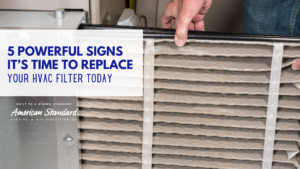
Your HVAC air filter plays a crucial role in maintaining airflow and indoor air quality. When it becomes clogged with dust and debris, your system struggles to circulate cool air.
Signs Your Filter Needs Replacement
- Weak airflow
- Increased dust in your home
- Higher energy bills
- Allergy symptoms
Replacing your filter every 1–3 months ensures your system operates efficiently and keeps your air clean.
3. Keep Your Outdoor Unit Clean and Clear
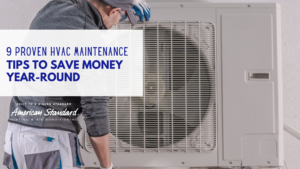
Your outdoor AC unit (condenser) is responsible for releasing heat from your home. If it’s blocked by debris, it can’t function properly.
Outdoor Maintenance Tips
- Remove leaves, dirt, and debris regularly
- Trim vegetation at least 2 feet away
- Gently rinse the unit with a garden hose
Keeping the unit clear improves efficiency and helps prevent overheating.
4. Use Ceiling Fans to Enhance Comfort
Ceiling fans are a simple yet effective way to make your home feel cooler without lowering the thermostat.
How to Use Fans Effectively
- Set fans to rotate counterclockwise in summer
- Use fans only in occupied rooms
- Combine fans with your AC to reduce energy use
Fans improve air circulation, allowing you to raise your thermostat without sacrificing comfort.
5. Seal Air Leaks and Improve Insulation
Cool air can escape through gaps around windows, doors, and ductwork, forcing your AC to work harder.
Ways to Prevent Air Loss
- Use weatherstripping around doors and windows
- Seal cracks with caulk
- Insulate attics and ductwork
A well-sealed home keeps cool air inside and reduces energy waste.
6. Schedule Regular HVAC Maintenance
Routine maintenance is one of the most effective ways to keep your AC running efficiently. A professional tune-up ensures your system is clean, calibrated, and ready for summer demands.
What Maintenance Includes
- Cleaning coils and components
- Checking refrigerant levels
- Inspecting electrical connections
- Testing airflow and thermostat performance
Regular maintenance helps prevent breakdowns and improves system efficiency.
7. Improve Indoor Air Quality for Better Comfort
Indoor air quality has a major impact on how your home feels. Dust, humidity, and allergens can make the air feel heavy and uncomfortable.
Ways to Improve Air Quality
- Install a whole-home air purification system
- Use high-efficiency air filters
- Maintain proper humidity levels
Cleaner air makes your home feel cooler, fresher, and more comfortable.
The Hidden Factors That Affect Cooling Comfort
Cooling your home isn’t just about temperature—it’s about creating a balanced environment. Airflow, humidity, and air quality all play important roles in how comfortable your home feels.
When these elements are properly managed, you’ll notice:
- More consistent temperatures
- Reduced humidity levels
- Cleaner, fresher air
- Lower energy costs
Combining these cooling strategies with proper HVAC care creates a more comfortable living space for you and your family.
Frequently Asked Questions
What is the best temperature to set my thermostat in summer?
A setting of 78°F when you’re home provides a balance between comfort and energy efficiency.
How often should I replace my air filter?
Most filters should be replaced every 1–3 months, depending on your home’s conditions.
Why does my AC run constantly in summer?
This could be due to poor insulation, dirty filters, or an inefficient system that needs maintenance.
Do ceiling fans really help reduce cooling costs?
Yes. Fans improve airflow, allowing you to raise your thermostat without sacrificing comfort.
How do I know if my AC needs maintenance?
Signs include uneven cooling, higher energy bills, unusual noises, or reduced airflow.
Can improving indoor air quality make my home feel cooler?
Yes. Cleaner air with proper humidity control can make your home feel more comfortable even at higher temperatures.
Contact Us
If you’re interested in learning more about improving your home’s comfort this summer—or installing an air purification system in your home—contact us at 850-698-3101. Shannon’s Heating & Cooling is a trusted American Standard Heating & Air Conditioning Dealer in Pensacola, FL. Our professional staff can answer any questions you might have. We will also make recommendations as to which system will work best for your individual situation.
Feel free to email us at [email protected] with any questions or inquiries. Be sure to follow us on Facebook and Instagram!