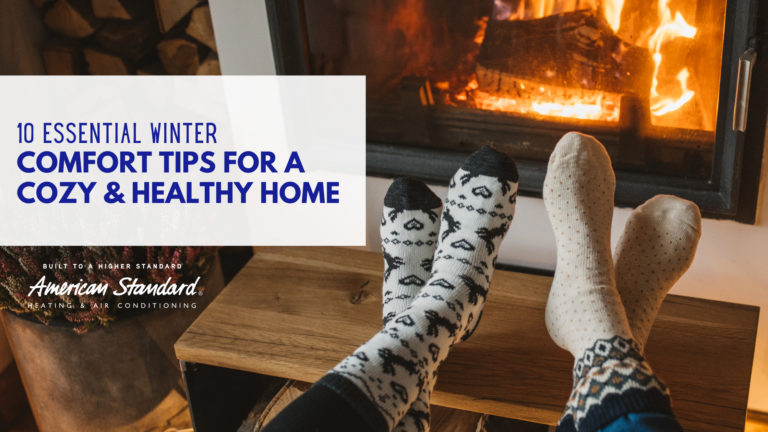
10 Essential Winter Comfort Tips for a Cozy & Healthy Home
Winter is the perfect time to make your home feel warmer, healthier, and more comfortable. Even in Pensacola, Florida, where winters are generally milder than in many other parts of the country, cooler temperatures, chilly evenings, changing humidity levels, and increased time spent indoors can affect your home’s comfort.
The good news is that creating a cozy winter home does not always require expensive upgrades. Simple changes, such as maintaining your HVAC system, improving insulation, managing indoor humidity, and keeping air filters clean, can make a noticeable difference in how your home feels throughout the season.
Your heating and cooling system also plays an important role in winter comfort. A properly maintained HVAC system can help distribute warm air, maintain consistent temperatures, and support healthy indoor air quality. When combined with practical home maintenance habits, it can help you create a more comfortable environment for everyone in your household.
Whether you want to improve indoor air quality, reduce heating costs, prevent drafts, or make your living spaces more inviting, these 10 essential winter comfort tips can help you prepare your home for the cooler months ahead.
1. Schedule Professional HVAC Maintenance Before Winter
One of the best ways to prepare your home for winter is to schedule professional HVAC maintenance before temperatures drop.
Your heating system may sit relatively unused during warmer months, especially if you rely on air conditioning for much of the year. When cooler weather arrives, you want your equipment to be ready to operate safely and reliably.
During a professional HVAC maintenance visit, a technician can inspect important components, evaluate system operation, check electrical connections and controls, and look for signs of wear or developing problems. The specific tasks depend on your heating system and manufacturer recommendations.
Routine heating maintenance can help identify issues before they lead to an unexpected breakdown. It also gives you an opportunity to ask questions about system performance, energy efficiency, and any unusual noises or temperature changes you have noticed.
For homeowners in Pensacola, preparing early can be particularly helpful when a sudden cold front brings lower temperatures.
Winter comfort tip: Schedule heating maintenance before you need your system to run regularly. If your heater is producing unusual odors, making unfamiliar noises, or struggling to warm your home, contact a qualified HVAC professional.
2. Replace Your HVAC Air Filter Regularly
A clean HVAC air filter is essential for proper airflow and everyday home comfort.
Your filter captures airborne particles such as dust, lint, pet hair, and other debris as air moves through the system. Over time, these particles accumulate and can restrict airflow if the filter is not replaced when needed.
Restricted airflow may make it harder for your heating system to distribute warm air effectively. Depending on the equipment and the severity of the restriction, it can also affect system performance and energy use.
Check your air filter regularly and follow the manufacturer’s recommendations for replacement. Some filters need changing every month, while others may last longer depending on their design, household conditions, and system requirements.
Homes with pets, frequent activity, or significant dust may require more frequent filter changes.
Remember that a higher-rated filter is not automatically the best option for every HVAC system. Filters with greater particle-capturing ability can also create more airflow resistance if they are not compatible with the equipment.
Choose a filter that meets your system’s specifications.
A clean, compatible filter can help maintain airflow, protect HVAC components, and support better indoor air quality during the winter months.
3. Seal Drafts Around Windows and Doors
Even a well-maintained heating system cannot make your home feel consistently comfortable if warm air escapes through gaps and cold outdoor air enters.
Drafts around windows, exterior doors, and other openings can create chilly spots that make certain rooms less comfortable. They may also cause your heating system to run longer as it works to maintain the thermostat setting.
Inspect your home for noticeable drafts, especially around door frames, window edges, and weatherstripping.
Depending on the problem, simple solutions may include replacing worn weatherstripping, applying appropriate caulk around stationary gaps, or using a door sweep to reduce air movement beneath an exterior door.
Be careful not to seal intentional ventilation openings or interfere with combustion-air requirements for fuel-burning equipment. If you are unsure whether an opening should be sealed, consult a qualified professional.
Window coverings can also help improve comfort. Closing curtains after sunset may reduce heat loss through some windows, while opening them during sunny periods can allow useful natural warmth to enter.
Reducing drafts can make rooms feel more comfortable and help your heating system maintain indoor temperatures without unnecessary energy use.
4. Maintain Comfortable Indoor Humidity
Indoor humidity can influence how your home feels during winter.
When indoor air becomes too dry, you may notice dry skin, irritated nasal passages, static electricity, or discomfort. On the other hand, excessive humidity can contribute to condensation, musty odors, and conditions that encourage mold growth.
A commonly recommended indoor relative humidity range is approximately 30% to 50%, although the appropriate level depends on outdoor temperatures, building conditions, and other factors.
A simple indoor humidity monitor can help you understand the conditions inside your home.
If humidity is consistently low, a suitable humidifier may help. If your home has excessive moisture, investigate possible sources such as plumbing leaks, inadequate exhaust ventilation, or moisture entering from outdoors.
Avoid adding unnecessary moisture simply because the weather is cool. In humid coastal areas such as Pensacola, outdoor moisture and indoor condensation can make humidity management especially important during changing weather conditions.
Your HVAC system, ventilation, and humidity-control equipment may all contribute to indoor comfort.
If you are unsure how to manage humidity, an HVAC professional can help you determine whether your home would benefit from a specific humidity-control solution.
5. Improve Indoor Air Quality During Winter
During cooler weather, families often spend more time inside with windows and doors closed. This can allow indoor pollutants to accumulate, particularly when ventilation is limited.
Dust, pet dander, cooking particles, cleaning-product emissions, and other contaminants can affect indoor air quality. Moisture problems can introduce additional concerns, including musty odors and mold growth.
Maintaining good indoor air quality involves more than changing your HVAC filter.
Start by keeping your home clean, addressing moisture problems promptly, and using kitchen and bathroom exhaust fans when appropriate. Follow product instructions when using cleaning supplies, and avoid introducing unnecessary fragrances or aerosols if they bother members of your household.
Depending on your needs, a compatible air purification system may provide additional filtration or treatment beyond your standard HVAC filter.
For example, whole-home air purification products can be designed to help capture certain airborne particles as air circulates through the system. Different products work in different ways, so it is important to understand their capabilities and limitations before choosing one.
Professional guidance can help you select an indoor air quality solution that suits your home, HVAC equipment, and specific concerns.
A healthier indoor environment starts with good maintenance, effective moisture control, and an understanding of what is circulating through your home’s air.
6. Use Your Thermostat Wisely
Your thermostat helps determine how often your heating system runs, making it an important part of winter comfort and energy management.
Rather than continually adjusting the temperature, choose a setting that feels comfortable for your household and make gradual changes when appropriate.
Lowering the thermostat while you are asleep or away from home may help reduce heating costs, depending on your equipment and household routine. However, the best approach varies by system. Heat pumps, for example, can operate differently from conventional furnaces when recovering from a temperature setback.
If you have a heat pump, follow the manufacturer’s recommendations for thermostat settings and auxiliary heat operation. Large setbacks on some systems may cause auxiliary heating to operate more frequently, potentially increasing energy use.
A programmable or compatible smart thermostat can make temperature management easier by adjusting settings according to your schedule.
Before upgrading, verify that the thermostat is compatible with your existing heating and cooling equipment.
Also consider the needs of children, older adults, and anyone sensitive to cold temperatures when choosing indoor settings.
The goal is to maintain a comfortable environment while avoiding unnecessary heating.
7. Check Insulation and Attic Conditions
Insulation helps slow heat transfer between your home and the outdoors. During winter, adequate insulation can help retain indoor warmth and reduce the amount of heating your home needs.
If your home has insufficient insulation or gaps in the building envelope, you may notice cold rooms, drafts, or temperatures that vary from one area to another.
The attic is a useful place to start because heat can escape through the upper part of a home when insulation and air sealing are inadequate.
Look for obvious signs of damage, displaced insulation, or gaps around accessible areas. Avoid disturbing insulation that may contain hazardous materials, and use a qualified professional if you are uncertain about the condition of your attic.
Insulation is only one part of the equation. Air leaks around penetrations, access hatches, windows, and doors can also affect comfort.
A home energy assessment can help identify where improvements may be most beneficial.
Better insulation and air sealing can complement your HVAC system by helping indoor temperatures remain more stable. This may improve comfort and reduce heating demand, although the results depend on your home’s existing condition and the improvements made.
8. Keep Vents Clear and Improve Airflow
Proper airflow helps your HVAC system distribute warm air throughout your home.
Unfortunately, furniture, rugs, curtains, storage containers, and other household items can accidentally block supply vents or return-air grilles. When airflow is restricted, some rooms may feel colder than others.
Walk through your home and check that vents and registers are unobstructed.
Avoid closing multiple vents in an attempt to force more heat into a particular room. Many HVAC systems are designed to operate with a specific airflow balance, and closing vents can create unwanted pressure changes or reduce system performance.
If one room remains consistently colder than the rest of your home, the cause may be more complicated than a blocked vent.
Possible explanations include duct leakage, inadequate insulation, air leaks, duct design issues, or equipment problems.
An HVAC technician can evaluate airflow and help determine whether adjustments or repairs are needed.
Improving airflow can make your home feel more comfortable without automatically increasing the thermostat setting.
9. Make Bedrooms and Living Areas Cozier
Winter comfort is not only about heating equipment. The way you arrange and prepare your living spaces can also make a difference.
Soft blankets, comfortable bedding, area rugs, and warm lighting can make rooms feel inviting during cooler evenings. These simple changes can help you enjoy your home without relying entirely on higher thermostat settings.
If you have hard flooring, a suitable area rug may make a room feel warmer underfoot. Heavier curtains can also help reduce the sensation of cold near some windows, particularly when paired with appropriate weatherstripping and window maintenance.
Arrange furniture so that you have comfortable seating areas away from noticeable drafts.
However, never cover HVAC vents with rugs or furniture, and keep curtains and other combustible materials away from space heaters and heating equipment.
If you use an electric space heater, choose a model with appropriate safety features, place it on a stable surface, and follow the manufacturer’s instructions. Keep it away from bedding, curtains, and other flammable materials, and do not leave it operating unattended.
Small comfort improvements can make winter evenings more enjoyable while helping your family use heating energy thoughtfully.
10. Prepare Your Home for Sudden Cold Weather
Pensacola winters are generally mild compared with those in colder regions, but temperatures can still drop quickly when a cold front moves through.
Preparing in advance helps your household respond comfortably when the weather changes.
Before a forecast cold spell, confirm that your heating system is operating normally. Replace a dirty filter, make sure vents are clear, and keep the thermostat settings appropriate for your equipment.
Check weatherstripping around frequently used exterior doors and close window coverings at night if they help reduce drafts.
If freezing temperatures are forecast, take appropriate steps to protect exposed plumbing according to local guidance and the recommendations for your home. Insulate vulnerable pipes where suitable, and know where your main water shutoff is located.
Never use an oven, outdoor grill, or fuel-burning appliance not designed for indoor heating to warm your home. These practices can create serious fire and carbon monoxide hazards.
If your home uses gas or another fuel-burning heating appliance, ensure required maintenance and safety inspections are completed. Keep carbon monoxide alarms installed and functioning according to the manufacturer’s instructions.
Preparing ahead of time helps protect your home and makes it easier to stay comfortable during unexpected cold weather.
Why HVAC Maintenance Is Important for Winter Comfort
Your HVAC system is central to keeping your home comfortable when temperatures fall. Even in a mild winter climate, regular maintenance can help support reliable heating, proper airflow, and efficient operation.
Without routine care, dirty filters, worn components, airflow restrictions, and other developing issues may affect performance. A system that struggles to maintain your preferred temperature can leave some rooms uncomfortable and may use more energy than necessary.
Professional HVAC maintenance provides an opportunity to evaluate your system’s condition before you depend on it during colder weather.
A technician can identify concerns that may require repair, explain whether components are operating as expected, and recommend appropriate next steps.
Maintenance cannot guarantee that a system will never break down, but it can help you identify problems earlier and make more informed decisions about repairs and equipment care.
For homeowners in Pensacola, combining HVAC maintenance with draft reduction, humidity management, and good indoor air quality practices can help create a more comfortable winter home.
Frequently Asked Questions About Winter Home Comfort
What is the best way to keep a home comfortable during winter?
Start with professional HVAC maintenance, regular filter replacement, and clear vents. Then address drafts, insulation, humidity, and thermostat settings. Combining these steps can help improve comfort and reduce avoidable energy use.
What temperature should I set on my thermostat in winter?
The best setting depends on your comfort preferences, household needs, and heating equipment. Choose a comfortable temperature and consider modest setbacks when sleeping or away. If you use a heat pump, follow its manufacturer’s guidance on temperature changes and auxiliary heat.
How can I lower heating bills during winter?
Replace dirty filters, seal appropriate air leaks, maintain your HVAC system, keep vents unobstructed, and use your thermostat thoughtfully. Heating costs also depend on weather, energy rates, insulation, and system efficiency.
Should I schedule HVAC maintenance before winter?
Yes. Scheduling maintenance before the heating season can help identify developing issues and prepare your system for regular use. If your equipment already shows signs of a problem, schedule an inspection rather than waiting for colder weather.
How can I improve indoor air quality in winter?
Change HVAC filters as recommended, clean regularly, control moisture, use exhaust ventilation where appropriate, and investigate persistent odors or mold concerns. Depending on your needs, a compatible whole-home air purification system may provide additional filtration.
What is the ideal indoor humidity level in winter?
Approximately 30% to 50% relative humidity is a common general target, but appropriate levels vary with outdoor conditions and your home’s construction. Monitor indoor humidity and watch for condensation, which can indicate that moisture levels are too high for the conditions.
Why is one room colder than the rest of my home?
Uneven temperatures can result from blocked vents, duct leakage, insulation gaps, drafts, or HVAC airflow problems. If the issue persists after checking vents and obvious drafts, an HVAC professional can evaluate the cause.
Do ceiling fans help during winter?
Some ceiling fans have a reverse setting that circulates warm air that collects near the ceiling. Use the low-speed setting if recommended by the fan manufacturer, and turn the fan off if it makes the room feel drafty or uncomfortable.
Can a dirty HVAC filter affect winter heating?
Yes. A dirty or incompatible filter can restrict airflow and affect heating performance. Inspect the filter regularly and replace it according to the manufacturer’s recommendations.
How do I prepare my Pensacola home for a cold front?
Check your heating system, replace a dirty filter, clear vents, reduce drafts, and follow local recommendations for protecting exposed plumbing if freezing temperatures are expected. Make sure carbon monoxide alarms are working if your home has fuel-burning appliances.
Create a Cozier, Healthier Home This Winter
A comfortable winter home is the result of several factors working together. Your HVAC system provides heating and air circulation, while insulation, air sealing, humidity control, and indoor air quality practices help create a more pleasant living environment.
By following these 10 winter comfort tips, you can take practical steps to prepare your Pensacola home for cooler weather. Schedule professional HVAC maintenance, replace air filters as needed, check for drafts, and make sure your heating system can distribute warm air effectively.
You can also improve everyday comfort with thoughtful thermostat settings, cozy living spaces, and preparation for sudden temperature changes.
Most importantly, do not ignore signs that your heating system needs attention. Addressing concerns early can help you avoid unnecessary discomfort and make better decisions about your home’s heating and cooling needs.
With regular maintenance and a few smart home improvements, you can enjoy a cozier, healthier, and more comfortable home throughout the winter season.
Contact Shannon’s Heating & Cooling
If you’re interested in learning more about improving your home’s winter comfort, maintaining your HVAC system, or exploring solutions for better indoor air quality, contact us at 850-698-3101. Shannon’s Heating & Cooling is a trusted American Standard Heating & Air Conditioning Dealer in Pensacola, FL. Our professional staff can answer any questions you might have. We will also make recommendations as to which HVAC maintenance services or home comfort solutions will work best for your individual situation. Feel free to email us at [email protected] with any questions or inquiries. Be sure to follow us on Facebook and Instagram!