10 Powerful Steps to Prepare Your AC for Spring Comfort
As winter fades and temperatures begin to rise, spring is the perfect time to make sure your air conditioning system is ready for the demands ahead. Preparing your AC for spring isn’t just about comfort—it’s also about improving energy efficiency, protecting indoor air quality, and avoiding costly breakdowns during the hottest months of the year. A well-maintained system runs more smoothly, lasts longer, and helps keep your home consistently comfortable.
Below, we’ll walk through 10 essential steps for preparing your AC for spring, along with helpful HVAC insights, energy-saving tips, and answers to common questions homeowners ask this time of year. Whether you handle some tasks yourself or rely on professional HVAC service, this guide will help you start the season with confidence.
Why Spring AC Preparation Matters
Spring is a transitional season, which makes it the ideal time to inspect and service your air conditioning system. After months of inactivity, components may be dusty, worn, or in need of adjustment. Addressing issues early helps prevent emergency repairs, improves airflow, and ensures your system is ready when summer heat arrives.
Preparing your AC in spring can help:
- Reduce unexpected breakdowns
- Improve cooling efficiency
- Lower monthly energy bills
- Enhance indoor air quality
- Extend the lifespan of your HVAC system
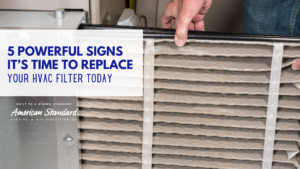
1. Replace or Clean Your Air Filter
One of the simplest yet most important steps is replacing your HVAC air filter. A dirty or clogged filter restricts airflow, forces your system to work harder, and can worsen indoor air quality.
Why it matters:
Clean air filters improve system efficiency, reduce strain on the blower motor, and help trap allergens like pollen—especially important in spring.
Tip:
Most homeowners should replace filters every 1–3 months, depending on usage, pets, and allergies.
2. Clear Debris Around the Outdoor Unit
During fall and winter, leaves, dirt, and debris can accumulate around your outdoor AC condenser. This buildup restricts airflow and reduces heat transfer.
What to do:
- Remove leaves, branches, and grass clippings
- Trim vegetation at least 2 feet away
- Gently rinse the unit with a garden hose
Keeping the outdoor unit clear allows your AC to operate more efficiently and prevents overheating.
3. Inspect the Condenser and Evaporator Coils
Over time, dirt and grime can coat the AC coils, reducing their ability to absorb and release heat. Dirty coils force your system to run longer cycles, increasing energy use.
Spring checklist:
- Inspect coils for visible dirt
- Schedule professional coil cleaning if needed
- Avoid using harsh chemicals on your own
Professional HVAC maintenance ensures coils are cleaned safely and thoroughly.
4. Check Thermostat Settings and Performance
Your thermostat plays a major role in comfort and energy efficiency. Spring is a great time to test its accuracy and update settings.
Helpful steps:
- Test temperature accuracy
- Replace batteries if needed
- Consider upgrading to a programmable or smart thermostat
Smart thermostats can optimize cooling schedules, reduce energy waste, and adapt to your family’s routine.
5. Inspect Electrical Connections and Components
Loose or damaged electrical connections can lead to system failure or unsafe operation. Capacitors, contactors, and wiring should be inspected by a professional.
Why professional inspection matters:
Trained technicians can identify worn components early, preventing breakdowns during peak cooling season.
6. Examine Ductwork for Leaks or Damage
Leaky ducts can waste up to 30% of cooled air before it reaches your living spaces. Spring is an ideal time to inspect for gaps, loose connections, or insulation issues.
Signs of duct problems:
- Uneven cooling
- Higher energy bills
- Excessive dust in the home
Sealing and insulating ductwork improves airflow, comfort, and system efficiency.
7. Test the AC System Before Hot Weather Hits
Don’t wait until the first heatwave to turn on your AC. Test the system early to ensure it’s cooling properly.
What to check:
- Does cool air come out quickly?
- Are there unusual noises or odors?
- Does the system cycle normally?
If anything seems off, schedule service right away to avoid emergency repairs later.
8. Check Refrigerant Levels
Low refrigerant can reduce cooling performance and indicate a leak. Refrigerant issues require professional attention and should never be handled as a DIY task.
Why it’s important:
Proper refrigerant levels ensure efficient heat transfer, consistent cooling, and system longevity.
9. Improve Indoor Air Quality for Spring
Spring allergens like pollen can easily enter your home. Preparing your AC system also means focusing on clean, healthy air.
Consider upgrades such as:
- High-efficiency air filters
- Whole-home air purification systems
- Regular HVAC cleaning and maintenance
Improved indoor air quality supports better breathing, comfort, and overall wellness.
10. Schedule Professional Spring HVAC Maintenance
The most effective way to prepare your AC for spring is scheduling a professional tune-up. During a maintenance visit, a technician will inspect, clean, test, and optimize your entire system.
Benefits of professional AC maintenance:
- Improved efficiency
- Fewer unexpected repairs
- Longer system lifespan
- Peace of mind before summer
Spring maintenance is an investment that pays off all season long.
Commonly Asked Questions About Preparing Your AC for Spring
How often should I service my AC system?
Most HVAC professionals recommend servicing your air conditioner once a year, ideally in spring before heavy use begins.
Can spring maintenance really lower energy bills?
Yes. Clean components, proper airflow, and correct refrigerant levels allow your system to run more efficiently, reducing energy consumption.
Is replacing the air filter enough?
While replacing the filter is essential, it’s only one part of overall AC preparation. Professional maintenance addresses deeper system components.
What happens if I skip spring AC preparation?
Skipping maintenance can lead to reduced efficiency, higher energy bills, poor indoor air quality, and unexpected breakdowns during summer heat.
Should I upgrade my thermostat in spring?
Spring is an excellent time to upgrade, especially before summer. Programmable and smart thermostats can significantly improve comfort and energy savings.
Contact Us for Spring AC Preparation and HVAC Service
If you’re interested in learning more about preparing your air conditioning system for spring comfort, or if you’d like to schedule professional HVAC maintenance, contact us at 850-698-3101. Shannon’s Heating & Cooling is a trusted American Standard Heating & Air Conditioning Dealer in Pensacola, FL. Our professional staff is happy to answer your questions and provide expert recommendations to help your system perform at its best for the season ahead.
Feel free to email us at [email protected] with any questions or inquiries. Be sure to follow us on Facebook and Instagram for more home comfort tips, seasonal HVAC advice, and updates.
Preparing your AC for spring now helps ensure a cool, comfortable, and energy-efficient home when temperatures rise. With these 10 powerful steps, you can enjoy peace of mind and dependable comfort all season long.