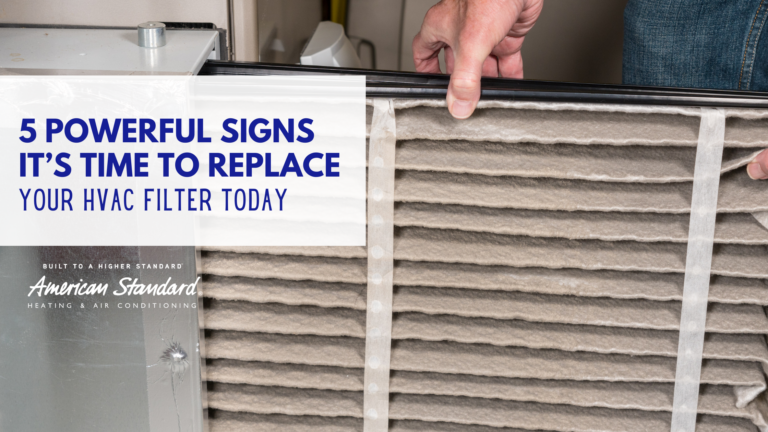
5 Powerful Signs It’s Time to Replace Your HVAC Filter Today
Your HVAC system works hard every day to keep your home comfortable, but one small component plays an outsized role in how well it performs: the air filter. While it may seem minor, a dirty or clogged HVAC filter can negatively impact your energy bills, indoor air quality, and even the lifespan of your system.
Many homeowners don’t realize their air filter needs replacing until problems start appearing. Unfortunately, waiting too long can lead to poor airflow, higher utility costs, and unnecessary strain on your heating and cooling equipment.
If you’re unsure whether it’s time to swap out your filter, this guide will walk you through five powerful signs it’s time to replace your HVAC filter today, plus why timely replacement matters so much for your comfort and health—especially in Pensacola’s humid climate.
Why Your HVAC Filter Matters More Than You Think
Your HVAC filter’s primary job is to trap dust, pollen, pet dander, and other airborne contaminants before they circulate throughout your home. Over time, those particles build up, restricting airflow and reducing efficiency.
When airflow is blocked:
- Your system works harder to heat or cool your home
- Energy bills increase
- Indoor air quality declines
- Wear and tear on HVAC components accelerates
Replacing your HVAC filter regularly is one of the simplest and most cost-effective ways to protect your system and improve home comfort.
1. Increased Dust Around Your Home
If you notice dust accumulating on furniture, shelves, or vents shortly after cleaning, your HVAC filter may be overdue for replacement. A clogged filter can no longer trap airborne particles effectively, allowing dust to circulate freely through your home.
Why This Happens
When a filter is full, air bypasses it or pushes particles back into your ductwork. This leads to:
- Dusty surfaces
- Dirty vents and registers
- Reduced indoor air quality
Replacing your filter helps restore proper filtration and keeps dust levels under control.
2. Weak Airflow From Vents
Reduced airflow is one of the most noticeable signs of a dirty HVAC filter. If certain rooms feel stuffy or take longer to reach a comfortable temperature, your filter could be restricting air movement.
What Weak Airflow Can Lead To
- Uneven temperatures throughout the home
- Longer system run times
- Increased energy consumption
- Added strain on your blower motor
A clean filter allows air to move freely, helping your HVAC system maintain consistent comfort in every room.
3. Rising Energy Bills With No Explanation
Have your utility bills gone up even though your usage habits haven’t changed? A dirty HVAC filter could be the culprit.
When airflow is restricted, your system must run longer and harder to achieve the desired temperature. This increased workload leads directly to higher energy costs.
Filter Replacement = Energy Savings
Replacing a clogged filter:
- Improves system efficiency
- Reduces run time
- Lowers monthly energy bills
In many cases, homeowners notice a difference in their energy costs within just one billing cycle after replacing the filter.
4. More Allergy or Respiratory Symptoms Indoors
Your HVAC filter plays a major role in protecting your indoor air quality. When it’s dirty, allergens like pollen, dust mites, and pet dander are more likely to circulate throughout your home.
Signs Your Filter Is Affecting Your Health
- Increased sneezing or coughing indoors
- Worsening allergy symptoms
- Dry or irritated eyes
- Stuffy or stale indoor air
Replacing your HVAC filter can significantly reduce airborne irritants and help everyone in your home breathe easier—especially during seasons when windows stay closed.
5. It’s Been Over 30–90 Days Since Your Last Replacement
Sometimes the clearest sign is simply time. Most HVAC filters need to be replaced every 30 to 90 days, depending on several factors.
You May Need More Frequent Changes If You:
- Have pets
- Live in a humid or dusty area
- Have allergies or asthma
- Host guests often
- Run your HVAC system year-round
If you can’t remember the last time you changed your filter, it’s probably time to replace it today.
Choosing the Right HVAC Filter for Your Home
Not all filters are created equal. Choosing the right one depends on your system, lifestyle, and indoor air quality goals.
Common Filter Types
- Standard fiberglass filters: Basic protection, low cost
- Pleated filters: Better filtration and longer lifespan
- High-efficiency filters: Capture smaller particles and allergens
- HEPA-style filters: Maximum filtration when compatible with your system
A professional HVAC technician can help you select the best filter option without restricting airflow or overworking your system.
How Filter Replacement Protects Your HVAC System
Replacing your HVAC filter regularly doesn’t just improve air quality—it also protects critical components like:
- Blower motors
- Heat exchangers
- Evaporator coils
- Ductwork
Clean filters reduce system strain, lower repair risks, and help your HVAC equipment last longer.
Pair Filter Changes With Professional Maintenance
While filter replacement is something homeowners can often do themselves, it works best when paired with regular HVAC maintenance. During a professional tune-up, technicians can:
- Inspect airflow and system performance
- Clean internal components
- Check filter fit and compatibility
- Recommend upgrades like air purification systems
Routine maintenance ensures your HVAC system stays efficient, reliable, and safe year-round.
Upgrade Your Indoor Air Quality
If you want to go beyond basic filtration, consider installing a whole-home air purification system. These systems work with your HVAC unit to:
- Capture microscopic particles
- Reduce odors
- Neutralize bacteria and allergens
- Improve overall indoor air quality
For Pensacola homeowners dealing with humidity, pollen, and seasonal allergens, air purification can make a noticeable difference in comfort and health.
Frequently Asked Questions About HVAC Filters
How often should I replace my HVAC filter?
Most filters should be replaced every 30–90 days. Homes with pets or allergies may need more frequent changes.
Can a dirty filter damage my HVAC system?
Yes. Restricted airflow can cause overheating, frozen coils, and premature system failure.
What happens if I don’t replace my filter?
Your system will run less efficiently, energy bills will rise, indoor air quality will decline, and repairs may become necessary.
Are expensive filters always better?
Not always. The best filter balances effective filtration with proper airflow. A professional can help you choose the right option.
Does changing the filter really improve air quality?
Absolutely. Clean filters reduce airborne dust, allergens, and pollutants circulating throughout your home.
Contact Us
If you’re interested in learning more about improving your indoor air quality—or installing an air purification system in your home—contact us at 850-698-3101. Shannon’s Heating & Cooling is a trusted American Standard Heating & Air Conditioning Dealer in Pensacola, FL. Our professional staff can answer any questions you might have. We will also make recommendations as to which system will work best for your individual situation.
Feel free to email us at [email protected] with any questions or inquiries. Be sure to follow us on Facebook and Instagram!